
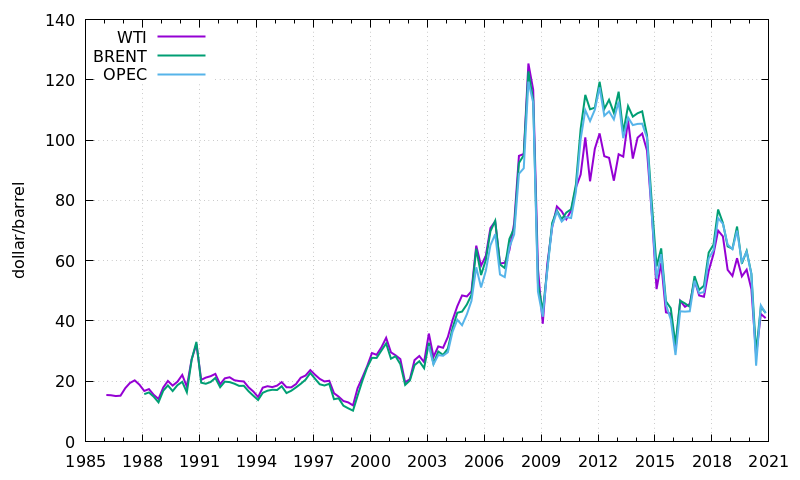
Unfortunately, many of us rely on oil to heat our homes during the winter season. Not only is this a major contributor of carbon dioxide in our atmosphere, but it's also quite expensive. Especially now. On Monday, crude oil futures closed at $93.53 a barrel, approaching the inflation adjusted high of $101.70 in 1980. Today, prices dropped $3 a barrel on profit taking, but we might not necessarily be out of the woods quite yet. Traders and analysts alike are trying to find fundamental reasons why oil prices are peaking, yet there are few rational reasons. Tensions brewing in the Middle East with Turkey and Iraq raise a few brows, as well as the drop in Mexican production, but the bottom line is that this news combined with supply and demand and the drop in the US dollar just isn't enough to justify it. Call it irrational exuberance if you will, and anything can happen next.
As a result, homeowners all over the country are panicked, according to several oil companies we spoke with today. Many are locking into contracts that allows them to hold a fixed price for one year. Others are taking contracts with a price cap, while floating their price to the downside for a year. I personally decided on a fixed rate contract, but don't let that sway you! Both of these are good options for those who believe we may hit a new record.
Also, I noticed that prices were erratic and very different from company to company. My due diligence resulted in a price range of $0.50, which was huge. I highly recommend shopping around for price.
Besides an oil contract, homeowners can do several other things to reduce their oil bills and overall consumption.
1. Add insulation to the attic if need be, and try weatherstripping around your windows and doors.
2. Schedule a maintenance service call on your oil burner so that it's running clean and burning efficiently.
3. Set a timer on your thermostat to lower your heat when you are not at home or sleeping. Older thermostats need to be upgraded to the newer varieties.
4. Turn the temperature down! Learn to layer your clothes like the San Franciscans do. By reducing the temperature by 2 degrees in the winter and higher by 2 degrees in the summer, you can reduce carbon emissions by 2,000 lbs!
5. Research alternative heating/cooling sources. Geothermal technology is once again starting to reemerge as a viable option. For more info, Geocomfort.com explains how this process works.
Hopefully, if we do all these things, we will be utilizing our fuel in the most efficient way possible and getting the most bang for our buck. Stay tuned on Halloween Day for the results of the Federal Reserve's meeting at 2pm EST. A 25 bps rate cut is expected, so if it doesn't happen, consider calling that oil company to talk.
Tuesday, October 30, 2007
Oil at Record Levels, Homeowners Seek Options

Subscribe to:
Post Comments (Atom)





No comments:
Post a Comment