
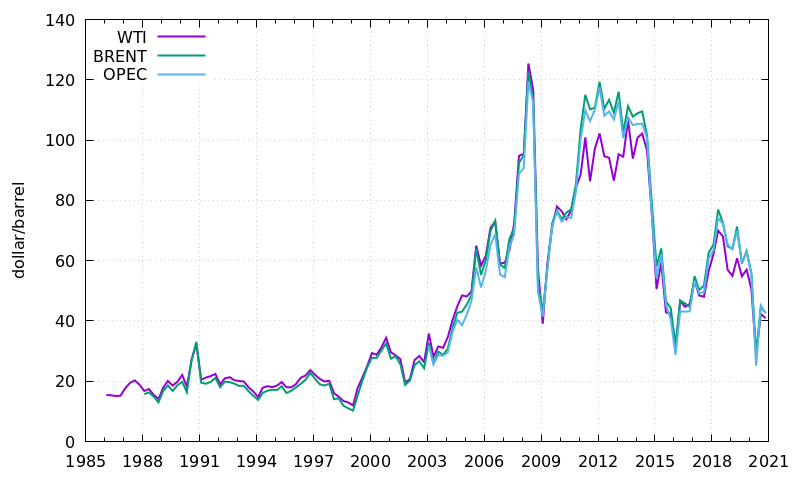
Unfortunately, many of us rely on oil to heat our homes during the winter season. Not only is this a major contributor of carbon dioxide in our atmosphere, but it's also quite expensive. Especially now. On Monday, crude oil futures closed at $93.53 a barrel, approaching the inflation adjusted high of $101.70 in 1980. Today, prices dropped $3 a barrel on profit taking, but we might not necessarily be out of the woods quite yet. Traders and analysts alike are trying to find fundamental reasons why oil prices are peaking, yet there are few rational reasons. Tensions brewing in the Middle East with Turkey and Iraq raise a few brows, as well as the drop in Mexican production, but the bottom line is that this news combined with supply and demand and the drop in the US dollar just isn't enough to justify it. Call it irrational exuberance if you will, and anything can happen next.
As a result, homeowners all over the country are panicked, according to several oil companies we spoke with today. Many are locking into contracts that allows them to hold a fixed price for one year. Others are taking contracts with a price cap, while floating their price to the downside for a year. I personally decided on a fixed rate contract, but don't let that sway you! Both of these are good options for those who believe we may hit a new record.
Also, I noticed that prices were erratic and very different from company to company. My due diligence resulted in a price range of $0.50, which was huge. I highly recommend shopping around for price.
Besides an oil contract, homeowners can do several other things to reduce their oil bills and overall consumption.
1. Add insulation to the attic if need be, and try weatherstripping around your windows and doors.
2. Schedule a maintenance service call on your oil burner so that it's running clean and burning efficiently.
3. Set a timer on your thermostat to lower your heat when you are not at home or sleeping. Older thermostats need to be upgraded to the newer varieties.
4. Turn the temperature down! Learn to layer your clothes like the San Franciscans do. By reducing the temperature by 2 degrees in the winter and higher by 2 degrees in the summer, you can reduce carbon emissions by 2,000 lbs!
5. Research alternative heating/cooling sources. Geothermal technology is once again starting to reemerge as a viable option. For more info, Geocomfort.com explains how this process works.
Hopefully, if we do all these things, we will be utilizing our fuel in the most efficient way possible and getting the most bang for our buck. Stay tuned on Halloween Day for the results of the Federal Reserve's meeting at 2pm EST. A 25 bps rate cut is expected, so if it doesn't happen, consider calling that oil company to talk.
Read more!
Tuesday, October 30, 2007
Oil at Record Levels, Homeowners Seek Options

Monday, October 29, 2007
How to Winterize your Organic Garden
I DO NOT have a green thumb in the least. Every houseplant that I have ever owned has struggled for survival, albeit my somewhat timely care. When I decided to grow an organic veggie garden this year, I was very concerned that just by my mere involvement that it would become an overgrown jungle of weeds. Oh contrare! With careful planning, I was able to start and maintain a delightfully plenteous patch in our yard. I will save discussing the success of this endeavor until springtime, so that you can all mimic my efforts and produce your own 50-75 lbs of tomatoes from 2 plants! I regret to even say it, but the upside of global warming in the Northeast region of the country has been red,ripe tomatoes on your dinner table on Halloween and beyond. This is clearly an anomaly, but I can't deny the sheer joy of harvesting this late in the season. How selfish and un- green of me! Anyway, let's focus on how to properly "close down" the garden until 2008.
After consulting with several experts in the field, I have learned that you need to complete the following steps:
1. Once the temperature has dipped to 30-low 40 degrees F. in the evening, it is time to remove all remaining annuals or weeds that are dying, dead or just limp. This weekend, we removed our peppers, zucchinis and cherry tomatoes, but we left the eggplants and a few tomatoes plants in case of a miracle. Some plants like eggplant,beets, and carrots are hardy and can survive a few weeks later in the season, but with climate change, all the rules are out the window.
2. Rototill or turn over the soil to aerate and mix in any remaining organic matter. This will save time in the spring as well as lessen the effects of erosion. An alternative is to plant a cover crop to protect soil, like rye, buckwheat or winter wheat. Although some experts might adhere to this approach, I dismiss this method as simply too much work for busy people like us.
3.Treat the soil to a 1-2 inch layer of organic mulch, such as dried leaves, pine needles, shredded bark, or pine boughs. This will provide an adequate layer of protection, break down nicely in the soil and provide nutrients for next year.
4. For herbs, cover with mulch after the first major frost. This should be a few weeks after Step 3.
That's it. Considering the bounty that will follow next year, its 60 minutes well spent.
Read more!
Wednesday, October 24, 2007
Compact Fluorescent Bulbs: Save Money, Save the Planet
So everyone is talking about these new light bulbs that are good for the environment. I'm sure you've heard of them by now. Compact flourescent bulbs or CFLs to us greenies, not only look a lot different than your average bulb, but offer significant advantages to those boring old fashioned ones. These alternative bulbs are supposed to reduce your power usage by 75% as compared to incandescent bulbs. Also, they last up to 10 times longer. And if you replaced all the bulbs in your home, you could effectively reduce your electric bill significantly. Could one little bulb do so much good?
Yes!
There has been some resistance and confusion about this bulb. Here are the major objections that I have heard, with my response indicating that they are rubbish.
1. They are expensive. This was true, but the prices are coming down significantly. One bulb was said to have cost between $3-$10, but if you factor in an average life of up to ten times the incandescent, it still costs you less. I was recently able to purchase a four pack at Home Depot for $11, which was a bit less expensive. Also, I found that sellers anxiously await your purchase on EBAY, where they are selling them for @ $2 or less in many cases. A reputable seller that I would recommend is Rob, Seller id 6801goodbuy.
2. They cast an cool, unfriendly light. In my experience, I have not found this to be true. And as a young woman who is gracefully maturing, I certainly know about the necessity of good lighting! Seriously, manufacturers have improved on this from the original prototypes. I suggest those who still believe this one to be true, that they purchase these bulbs for outdoor, basement, hallway, garages and other nooks and crannies. You can still benefit, people!
3. They contain hazardous mercury vapor. Ironically, compact fluorescent bulbs are responsible for less mercury contamination than the incandescent bulbs they replaced, even though incandescents don't contain any mercury. The highest source of mercury in America’s air and water results from the burning of fossil fuels, such as coal, at utilities that supply electricity. Since a compact fluorescent bulb uses 75 percent less energy than an incandescent bulb, and lasts up to ten times longer, it is responsible for far less mercury pollution in the long run. A coal-burning power plant will emit four times more mercury to produce the electricity for an incandescent bulb than for a compact fluorescent.
The bottom line is that if every American family switched to CFLs, we could save 31.7 billion kilowatt-hours of electricity every year - enough to light about one third of all U.S. households for an entire year! But every little bit helps, so pony up a few bucks now and count your rewards later.
Read more!


